





News
What exporters are asking of the next government
ExportNZ has released its 2026 Pre-Election Blueprint, Grow Locally, Compete Globally, setting out what the export sector wants to see from the next government. It draws on conversations with goods and services exporters right across the country, including through the BusinessNZ Network of the Employers and Manufacturers Association, Business Central and Business South, so southern exporters have had a genuine say in shaping it.
The headline message is that New Zealand's exporters have kept performing despite a genuinely difficult run: a pandemic, war in Europe, conflict in the Middle East, rising protectionism and the return of tariffs. Export earnings have passed $100 billion for the first time, and most exporters expect further growth this year. But for the first time in the history of ExportNZ's DHL Export Barometer, every major barrier to exporting got worse. Trade agreements still matter, but exporters are just as focused on the domestic settings that determine whether they can actually compete once the ink is dry: infrastructure, energy, regulation, skills and coordinated government support.
The blueprint sets out fourteen areas for action, grouped into four themes:
- Growing in a changing global economy: continuing to champion the rules-based trading system and expand New Zealand's Free Trade Agreement network, building export capability for businesses on the cusp of exporting, and tackling the non-tariff barriers that now cost exporters more than $9 billion a year in compliance.
- Building a more competitive export economy: lifting the Research and Development Tax Incentive from 15% to at least 25%, progressing the Gene Technologies Bill with a science-based approach, giving SMEs better access to growth capital alongside the large-scale investment the Active Investor Plus Visa is attracting, and backing the creative and screen industries as genuine export earners.
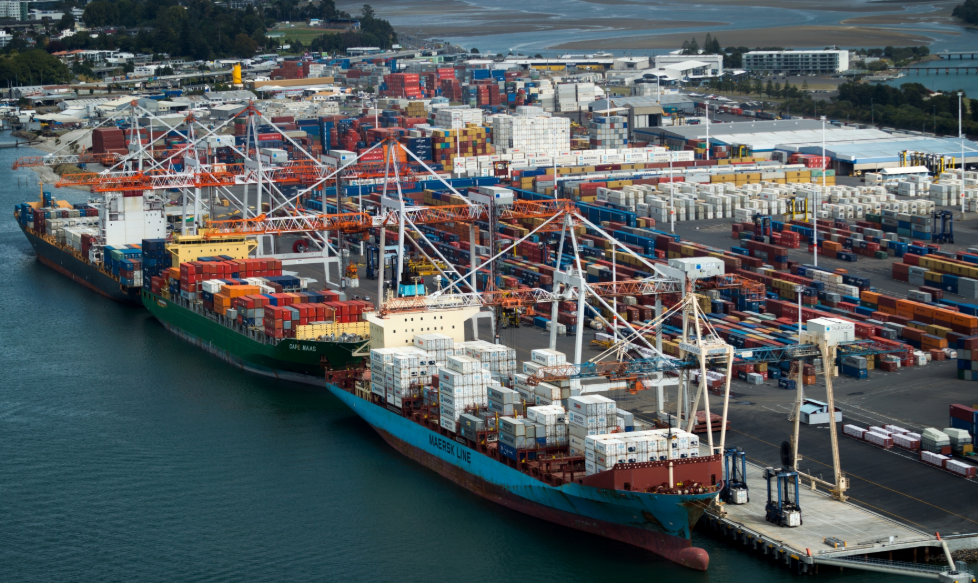
- Strong foundations for trade: closing the skills and talent pipeline gap, accelerating paperless trade and responsible AI adoption, progressing supply chain projects such as the Stella Passage development at the Port of Tauranga, and keeping energy affordable and reliable enough to support processing and manufacturing here rather than offshore.
- A better NZ Inc.: reducing the cumulative regulatory burden on exporters, making government procurement work harder for New Zealand businesses, and developing a long-term, cross-party National Global Competitiveness Strategy so businesses have the certainty to invest beyond a single electoral cycle.
A few figures are worth sitting with. Around 10,000 New Zealand businesses export, supporting one in four jobs and roughly a quarter of GDP, yet only about 300 exporters earn more than $25 million a year offshore. Just 13% of exporters sell into six or more markets, but that group accounts for 82% of our goods export value. The opportunity is clear: helping more capable SMEs scale and diversify, not just supporting the businesses already at the top.
For Otago and Southland businesses, the themes will feel familiar. Energy costs and reliability, infrastructure resilience, skills shortages and regulatory duplication are the same issues we hear consistently through our own Quarterly Business Survey. This blueprint gives that feedback a national export lens and a clear set of asks heading into the election.
You can read the full blueprint, including all fourteen sets of recommendations, on the ExportNZ website.


Enterprise Partners

Pivotal Partners